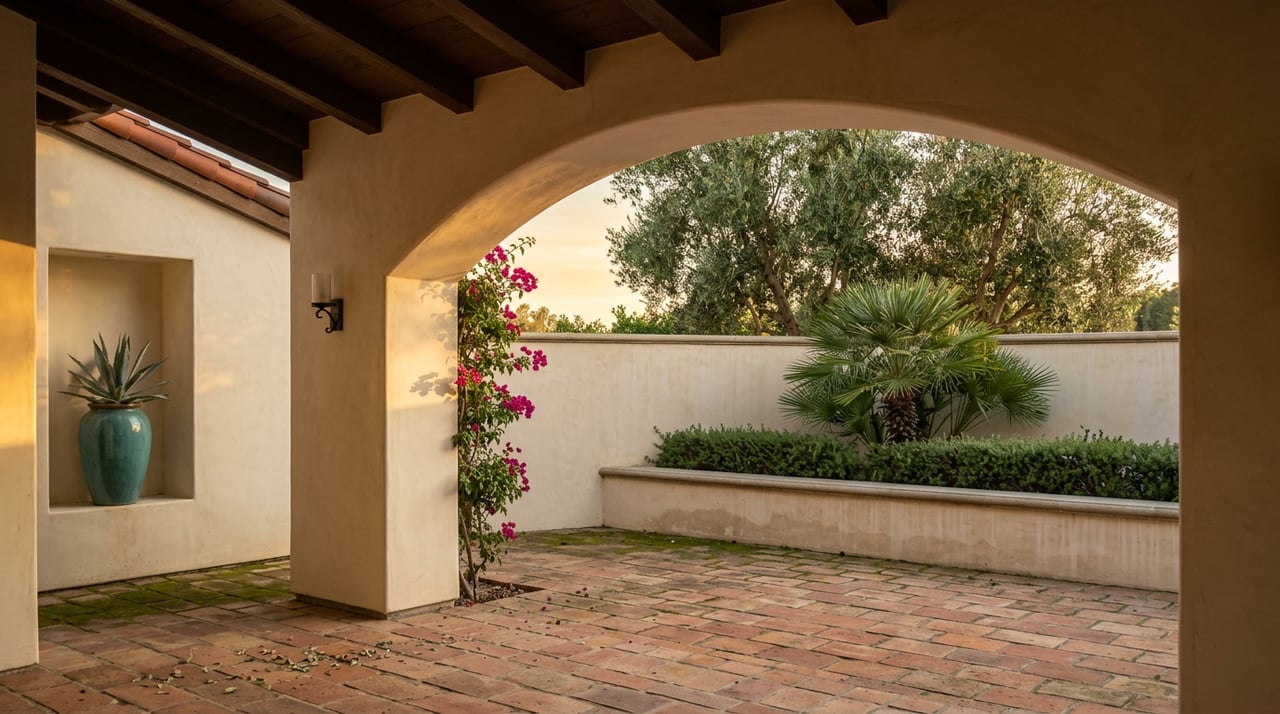
La Jolla's New Money Keeps Landing on Old Names
September 10, 2026
September 10, 2026
Walk Girard Avenue on a Sunday morning this fall and you will pass a café with a fresh coat of paint and a name borrowed from the cove three blocks away. Cala La Jolla Cafe opened this spring, and the person who owns it, Amy de Leon, has lived and worked in this village for years. Keep walking toward Prospect and you will eventually land in front of Roseacre, a multi-venue dining project on the same street with a Michelin-starred culinary director and financial backing that did not originate anywhere near the 92037 zip code.
Those two storefronts sitting a few blocks apart tell you something that no single restaurant opening can. This is not a neighborhood getting discovered by outside money and losing itself in the process. It is a neighborhood where outside money keeps showing up and, for reasons that have more to do with geography than sentiment, keeps routing itself back through people who were already here. That pattern runs through the entire fall calendar, from the kitchens to the festival tents, and it is worth understanding before you decide which parts of this season are actually worth your time.
Drive out toward Westfield UTC and the restaurant math changes entirely. Fleurette, chef Travis Swikard's Côte d'Azur-inspired dining room inside La Jolla Commons, opened in December 2025 at 6,000 square feet with dual wine rooms holding 3,000 bottles between them. It has reportedly been the hardest reservation to land in San Diego every month since. Katsuya Ko followed in February, bringing a robata-centered, Pan-Asian menu to the same stretch. JOEY La Jolla opened April 23 with a fire bowl out front, an olive tree anchoring the dining room, and a kitchen led by Top Chef alum Matthew Stowe, marking the brand's first San Diego location.
Then there is Ikaria, the most ambitious project in the pipeline. The team behind Puesto, Marisi, and the James Beard-nominated Roma Norte was targeting a summer 2026 opening for a roughly 250-seat, two-story Eastern Mediterranean concept at One Alexandria Square, near Torrey Pines Golf Course. The design comes from Rockwell Group, the New York firm that has built out Din Tai Fung and Nobu locations around the world. That is not a local design contract. That is a firm with a global client list deciding La Jolla is worth the same design investment as an international restaurant brand.
None of this is random. UTC sits inside a corridor stacked with biotech campuses, a growing university enrollment base at UCSD, and daily mall foot traffic that the historic Village, with its narrow lots and residential zoning, cannot replicate. Operators are not testing whether people will show up. The density already answers that question. They are choosing a location where the numbers were proven before they signed the lease.
A few miles away, the investment logic flips. Roppongi Restaurant and Lounge reentered the La Jolla dining scene in December 2025 after a ten-year closure. Owner Sami Ladeki brought it back specifically because longtime patrons kept asking for it, not because a market study told him to. La Jollita opened last fall and added color, in every sense, to a stretch of the Village that had gone quiet. Destiny Coast opened last summer at the Ted and Jean Scripps Marine Conservation and Technology Facility on La Jolla Shores Drive, just east of the Scripps Coastal Meander Trail, and it functions as a genuine gathering spot for La Jollans, researchers, hikers, and students rather than a destination restaurant chasing a review.
Dora Ristorante, in the UCSD Theater District, earned Italy's Tre Forchette distinction from Gambero Rosso just three months after opening, under chef Accursio Lota's Sicilian-leaning menu. Cazadores Mexican Grill is adding traditional enchiladas, tamales, and mole to Wall Street. And Cala La Jolla Cafe, the one that opened this spring on Girard, was built by someone who already had roots in the neighborhood rather than a hospitality group scouting a new market.
The Village bet is not smaller because it is less serious. It is smaller because the real estate is smaller, the relationships are longer, and the people making these bets are often the same people who were running restaurants here a decade ago. Sami Ladeki did not need a Rockwell Group deck to convince him La Jolla wanted Roppongi back. His regulars told him.
The easy read is that La Jolla is having a moment and everyone wants in. The more useful read is that two separate assets are being priced correctly at the same time. UTC has adjacent density it did not have fifteen years ago, and national operators are paying to access it. The Village has scarcity, foot traffic tied to tourism and long-term residents, and a set of owners who understand exactly what that combination is worth, which is why a returning local operator like Ladeki or a first-time owner like de Leon can compete for the same customer that Fleurette is drawing from UTC on a Friday night.
Neither bet cancels out the other. A resident who wants the splashiest reservation in the county drives to La Jolla Commons. A resident who wants to run into three neighbors on the way to dinner walks to Girard. Both trips end in La Jolla. That is the part the generic "new restaurants" roundup misses when it lists everything in one undifferentiated column.
This split shows up on the events calendar too, and it complicates the story rather than confirming it cleanly.
The La Jolla Open Aire Market has run every Sunday since 1998, when Sherry Ahern established it, and every dollar of proceeds still goes to La Jolla Elementary School. The Fourth Friday Jazz Series continues at the La Jolla Community Center on La Jolla Boulevard, and the first Friday of the month brings a free Village artwalk highlighting the neighborhood's growing gallery scene, with emerging artist pop-ups threaded through storefronts most people walk past without a second look.
Then there is the Museum of Contemporary Art San Diego, sitting on an oceanfront site that was originally built in 1897 as the home of philanthropist Ellen Browning Scripps and that completed a $105 million renovation in 2022. On September 26 and 27, it hosts the 17th annual San Diego Spirits Festival, with more than 65 brands pouring, a new corporate sponsor in Pavilions La Jolla, and newcomers this year including Wild Tide alcoholic ginger beer and Dady'o Mezcal, whose backers are using the weekend to reach shoppers in a market they have not tapped before. The festival was founded in 2009 by Liz Edwards, a La Jolla resident, and it has stayed entirely female-owned for its full run, even as its sponsor list has grown to include a distribution partner offering shipping access across 42 states.
A few weeks later, on October 10 and 11, the La Jolla Art & Wine Festival brings more than 170 artists from the United States and Mexico into the Village for a free, juried two-day show. This is where the split gets interesting instead of tidy. The festival looks like the UTC side of the ledger, national sponsors, a featured artist flown in from Florida, a scale that dwarfs a folding-table farmers market. But the foundation behind it has donated more than $1.7 million to La Jolla's public schools since it started, funding art, music, science, and on-site medical care at the same schools the tiny Sunday market has quietly supported since 1998.
That is the real finding buried in this fall's calendar. The money coming into La Jolla right now, whether it is a New York design firm or a mezcal brand from out of state, keeps landing on infrastructure that already existed here. It funds the same elementary school. It fills the same museum that a local philanthropist's home became. It gets served in dining rooms owned by people who spent a decade waiting for the chance to reopen. La Jolla is not being replaced this season. It is being reinvested in, on two different budgets, by people with two very different reasons for showing up.
If you are already living here, that is worth knowing before you plan your weekends between now and Halloween. The Village gives you the market and the artwalk and a table at a restaurant where the owner remembers your order. UTC gives you the reservation everyone in the county is trying to get. This fall, for the first time in a while, you do not have to choose a side of town to get both.
If you are curious how any of this is showing up in what homes in La Jolla are actually selling for this season, or what a specific stretch of the Village or UTC corridor looks like from a buyer's or seller's seat, Megan Saputo has been working these streets long enough to walk you through it. Let's Connect.
Stay up to date on the latest real estate trends.
Experience personalized representation, creative strategies, and dedicated support from consultation through closing day. Partner with Megan Saputo for honest advice, expert negotiation, and a client-first approach to every transaction.